Beira, Before the Storm
Beira, Mozambique · 2024 · For Bloomberg Green
How a coastal city devastated by Cyclone Idai built one of Africa's most closely watched early warning networks.
Photography and video by Douglas Condzo for Bloomberg Green
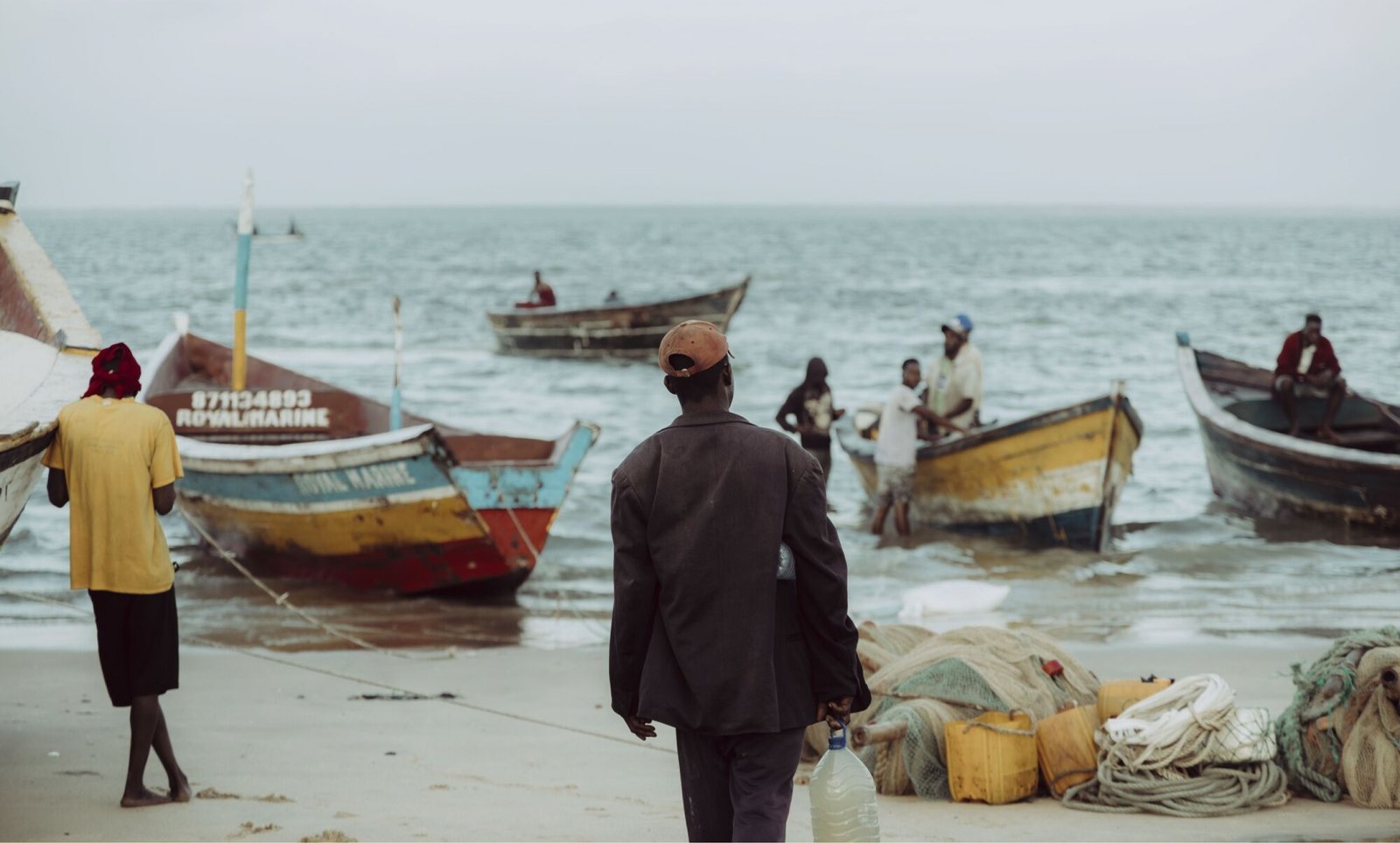
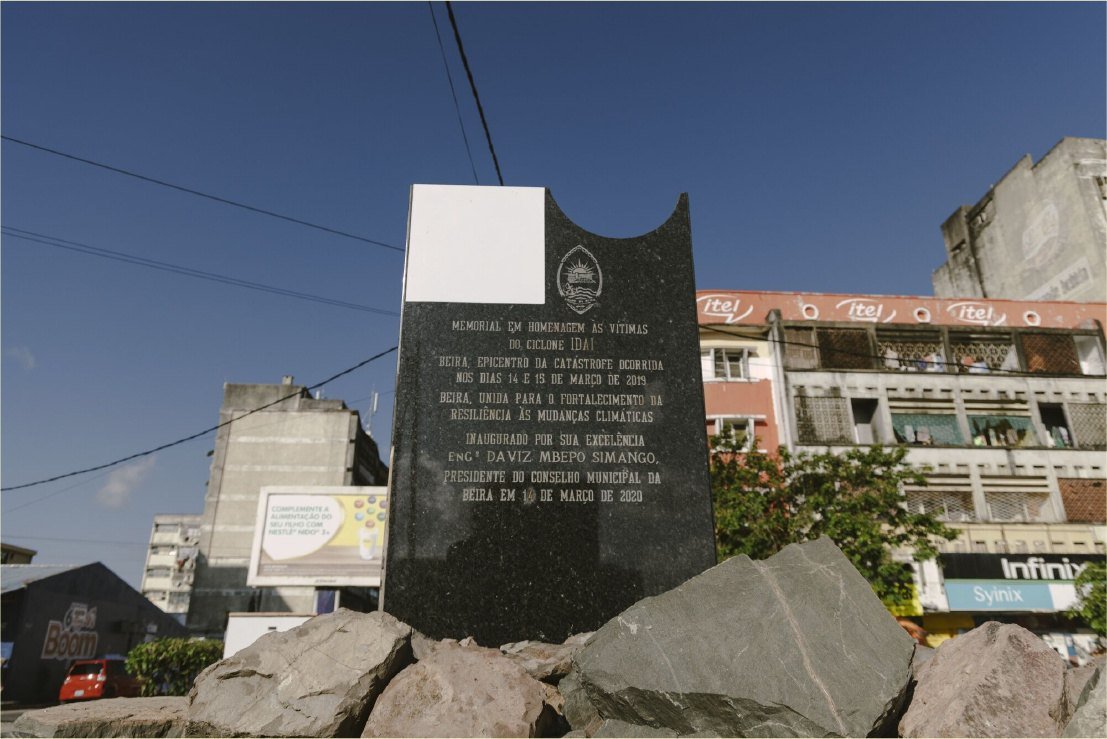
In March 2019, Cyclone Idai struck Beira, Mozambique's fourth-largest city. It was one of the deadliest storms ever recorded in southern Africa, killing more than 1,000 people across the region and damaging or destroying most of Beira's buildings. When Cyclone Freddy hit four years later, the city fared far better. An early warning system, and a population that now takes every storm seriously, have turned Beira into an example of how cities can prepare for climate disasters.
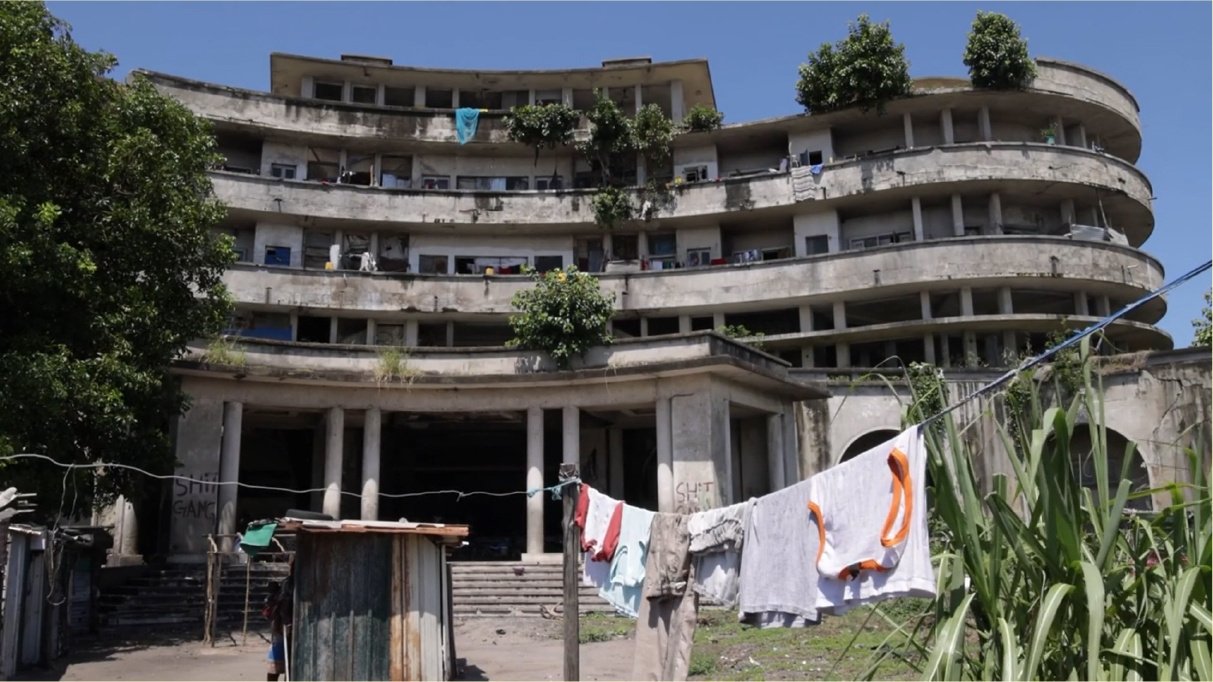
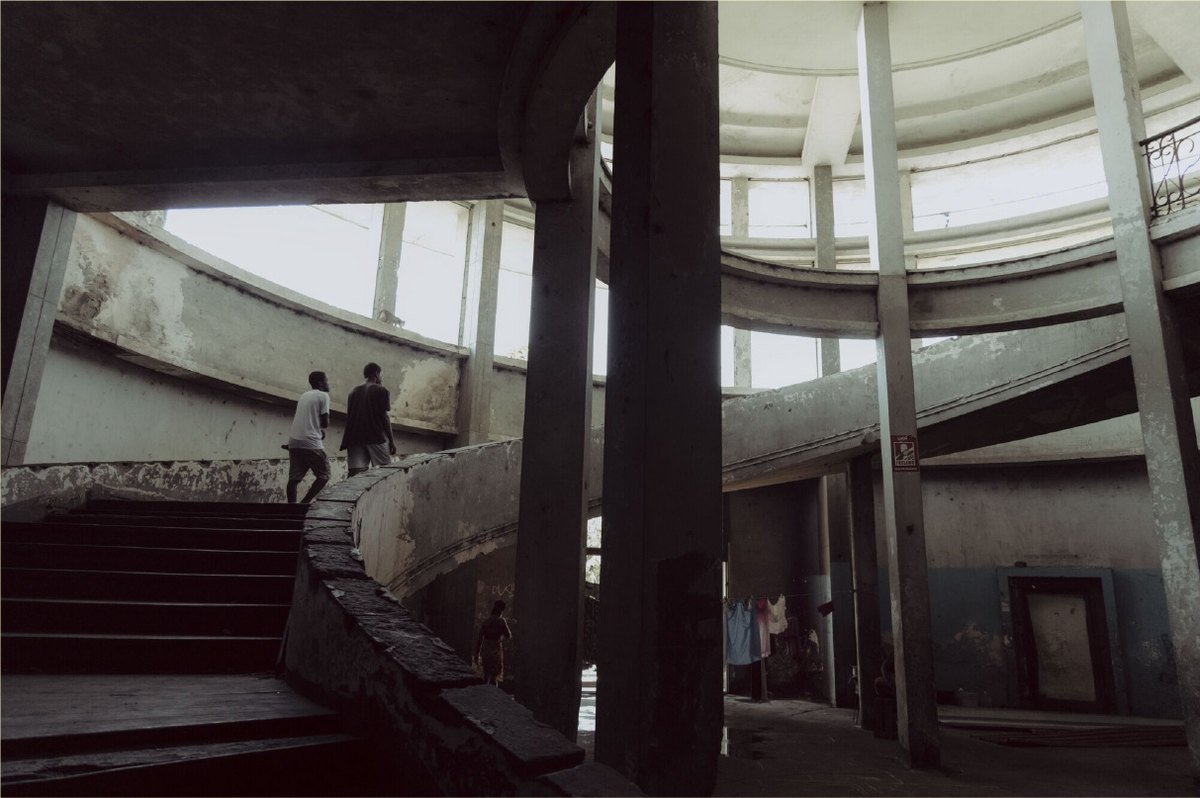
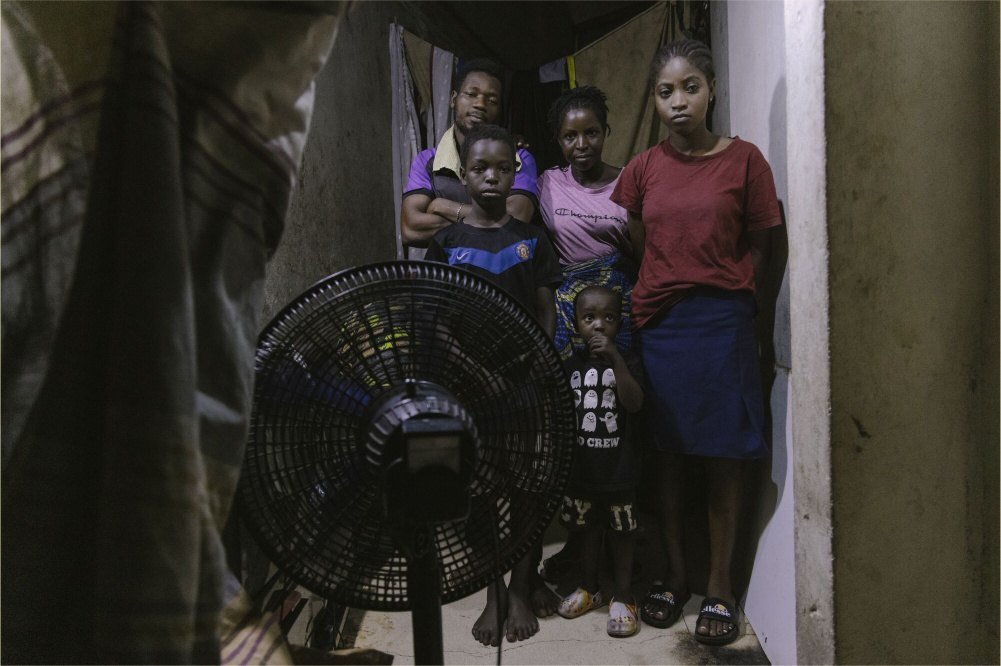
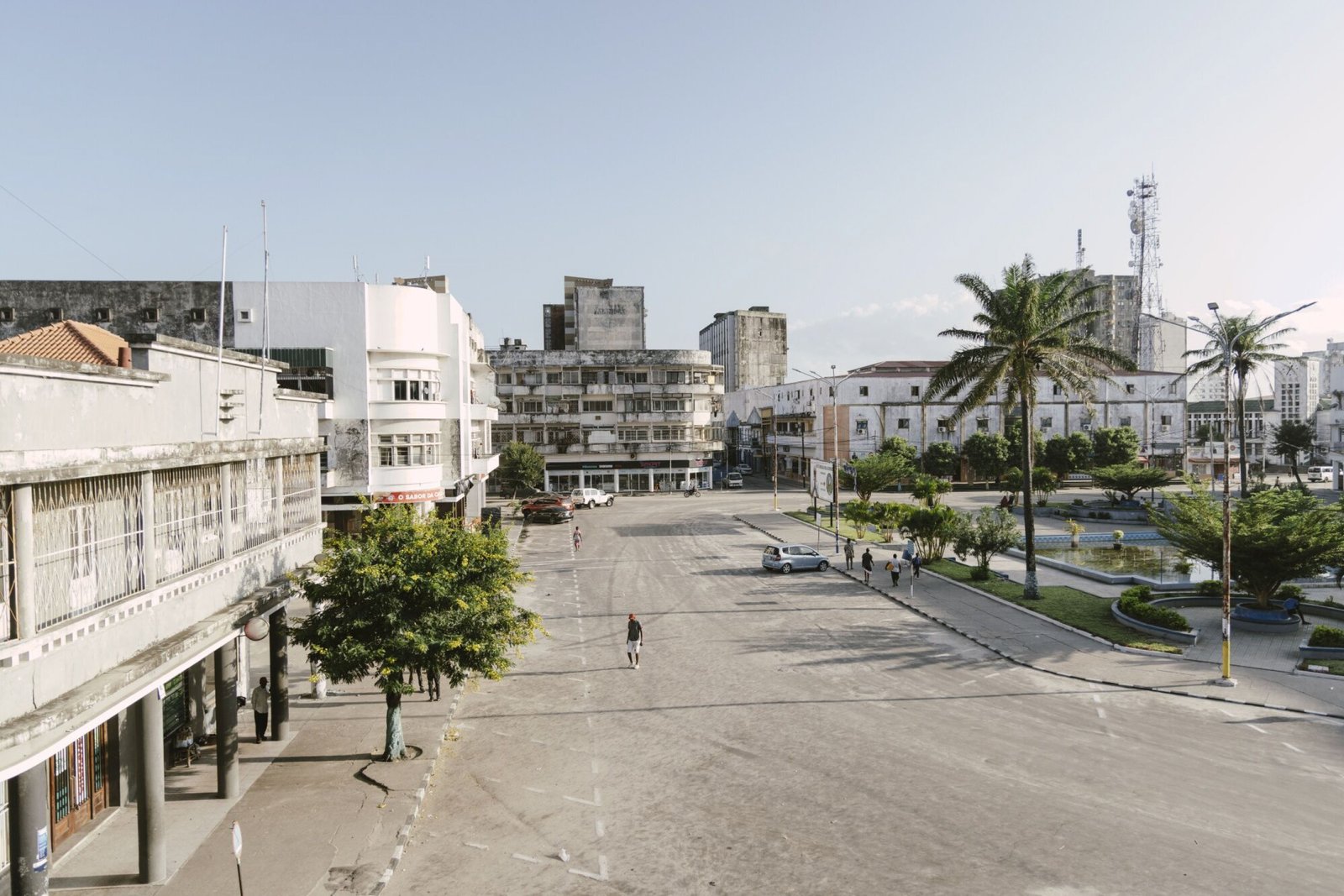
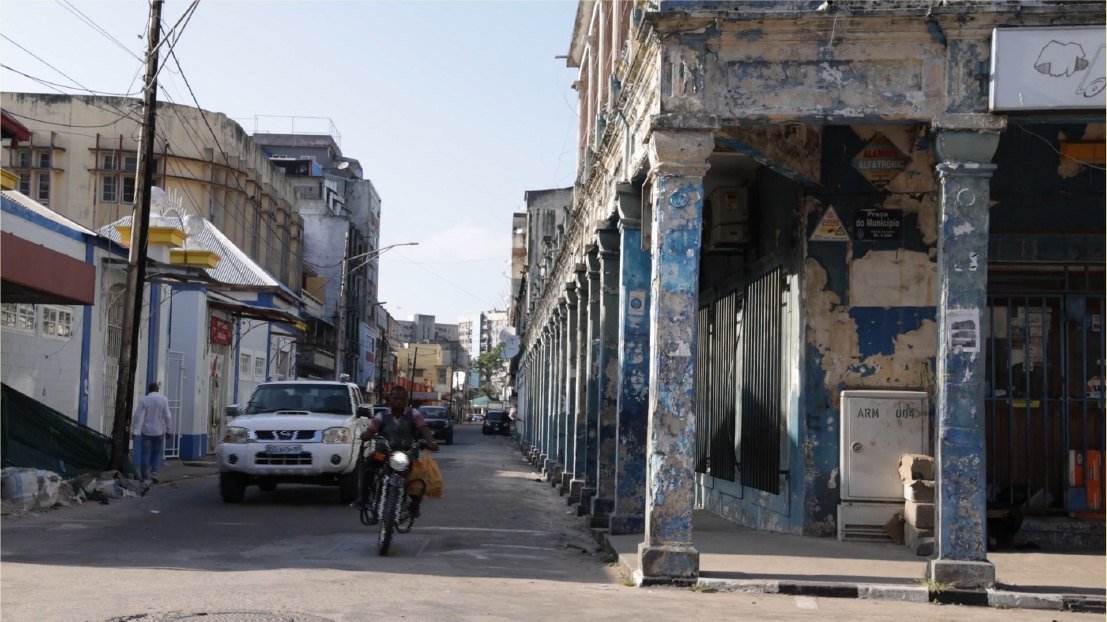
The Grande Hotel, a luxury complex built in the 1950s, has long since fallen into ruin and become home to dozens of families. During Idai, the wind tore away the zinc sheets residents had fitted as windows. Zaida Lucas Paunde, who has lived there with her partner and three children since 2015, sheltered in a ground-floor room as the storm roared past. She knew afterwards that the family should leave, but they had nowhere else to go.
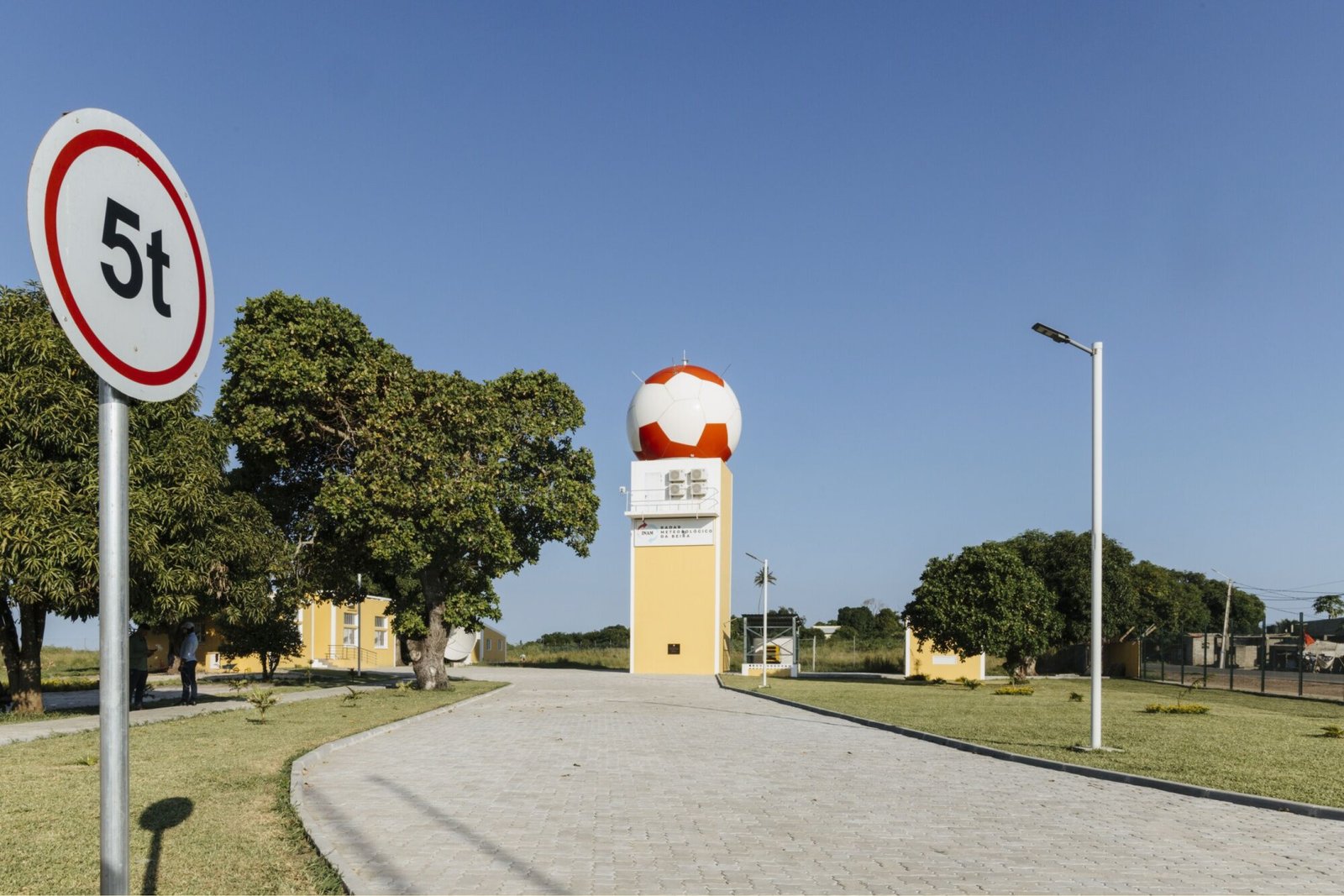
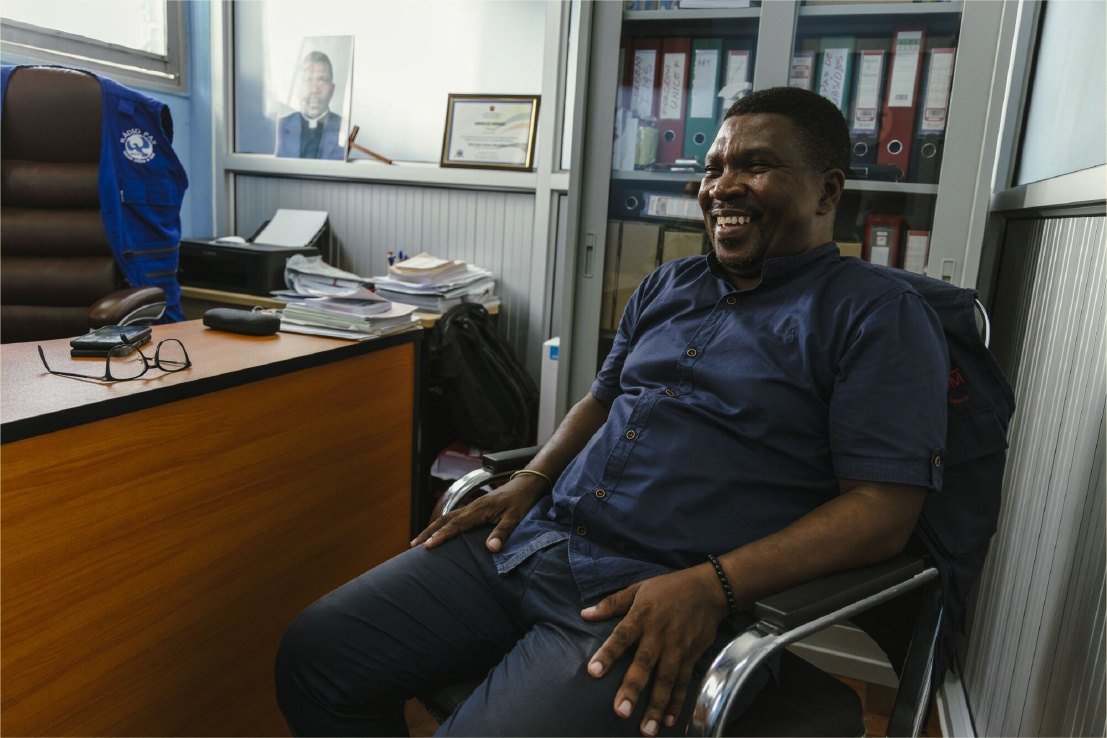
Today, a new weather radar on the edge of the city, a tower crowned with a red-and-white sphere, can spot storms up to 400 kilometres away. Its data travels to the national meteorological institute and on to the disaster management agency, which alerts a network of local partners. Radio Pax, a small station whose equipment was soaked during Idai, now broadcasts frequent warnings telling people to board up windows, sandbag their roofs and stock up on food and light. It keeps fuel for a generator so it can stay on air if the power goes down, reaching the poorest residents who have no internet.

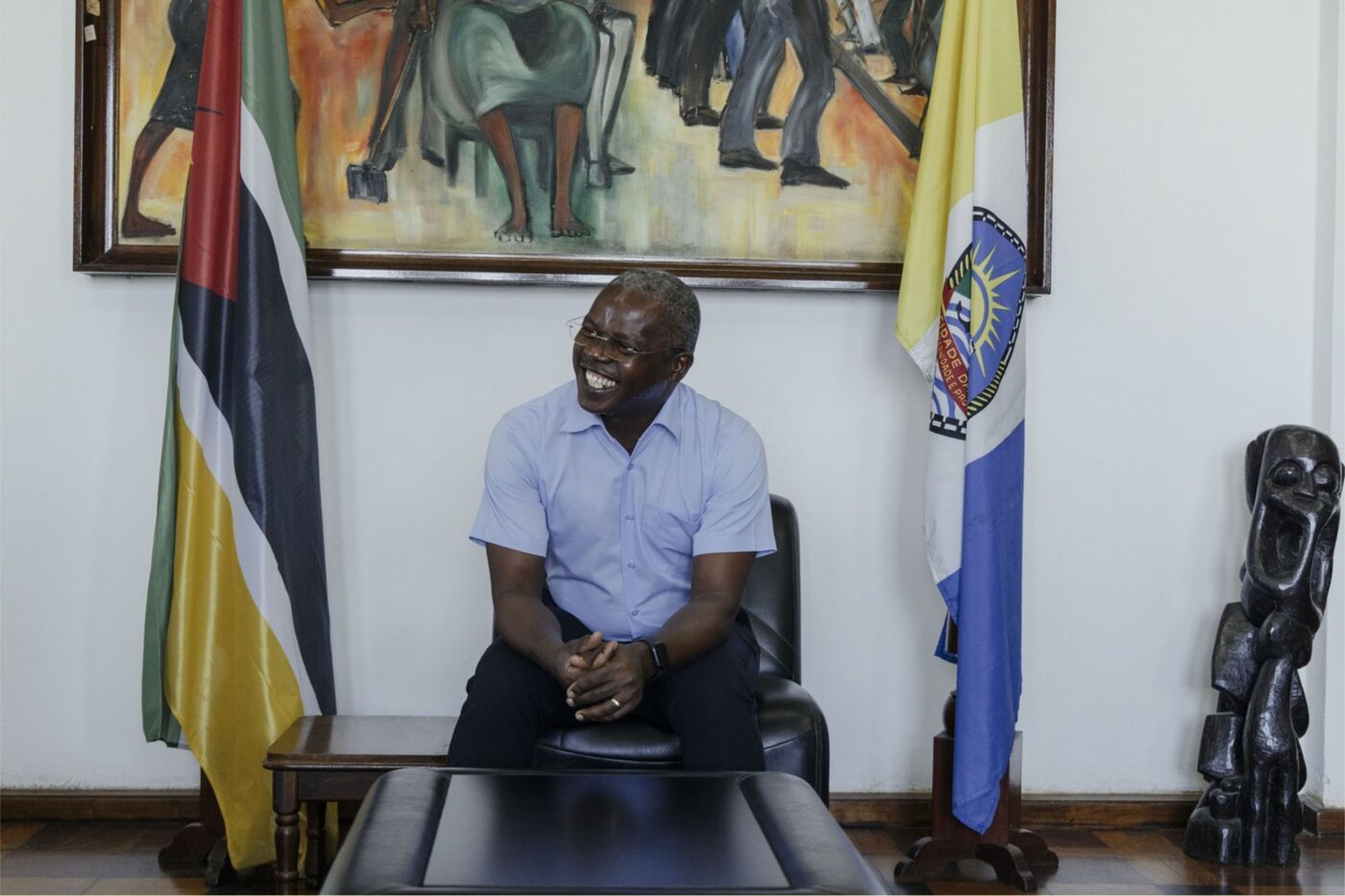
Each of Beira's 26 neighbourhoods now has an elected volunteer committee. When a storm approaches, members ride through the streets on bicycles with megaphones, telling residents how much time is left before landfall. The city has moved people away from the most exposed areas, built sea barriers, planted trees and cleared drains more often. With little money for rebuilding, Mayor Albano Carige sees resilience as the only option, and residents now ask for sandbags long before a storm arrives.
The effort reaches beyond Beira. Mozambique is one of 30 countries in the United Nations' Early Warnings for All initiative, with plans for two more radars and a weather station in every district, supported by the African Development Bank, the World Bank and other partners. Money remains the main obstacle: officials estimate that a full national early warning system would cost around 100 million dollars.
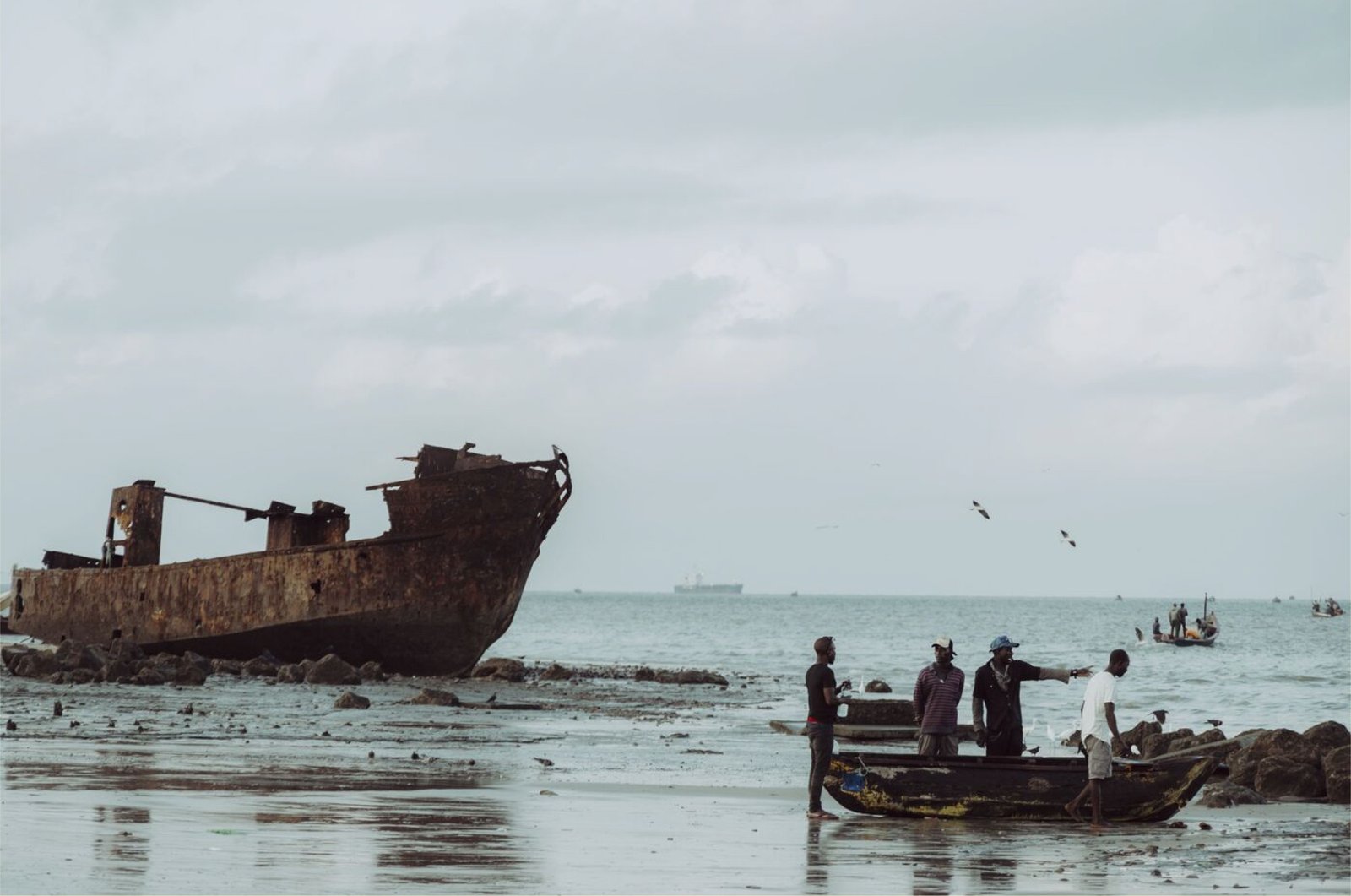
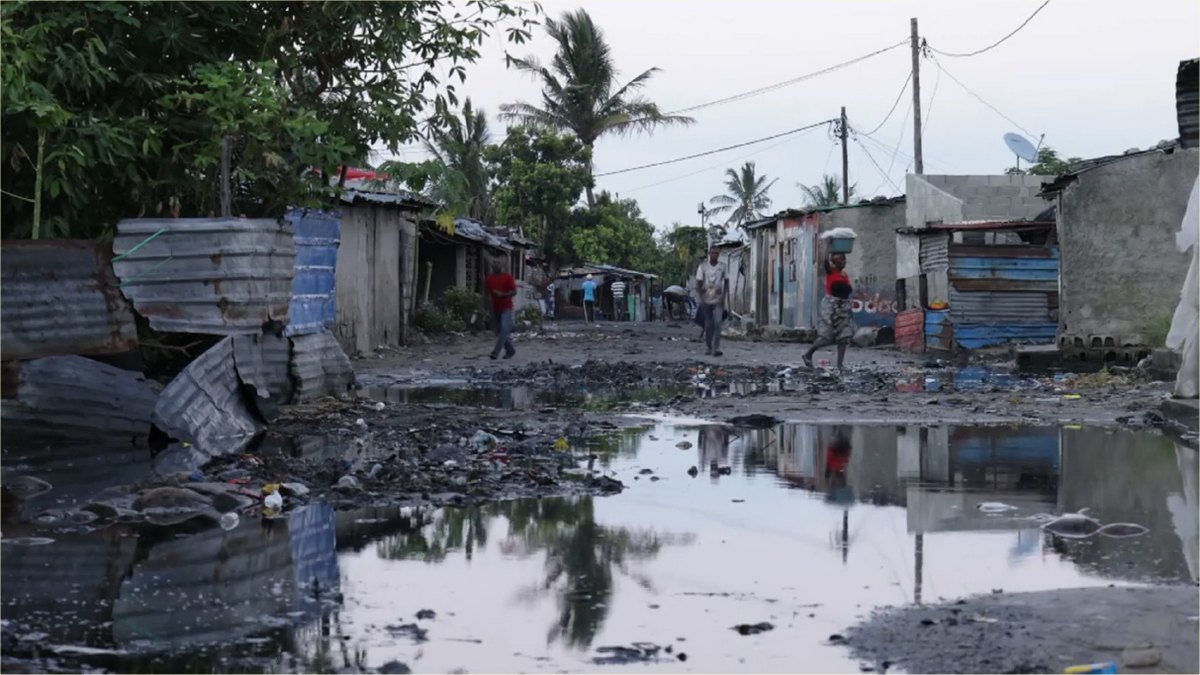
Warnings alone are not enough. Researchers point out that forecasts measured in millimetres of rain mean little in a country with more than 20 languages and a literacy rate of around 60%, and that people moved far from work, schools and hospitals tend to drift back to danger. In Praia Nova, one of the poorest districts and among the hardest hit by Idai, life still revolves around the shore, where wooden dhows bring in dried fish to trade.
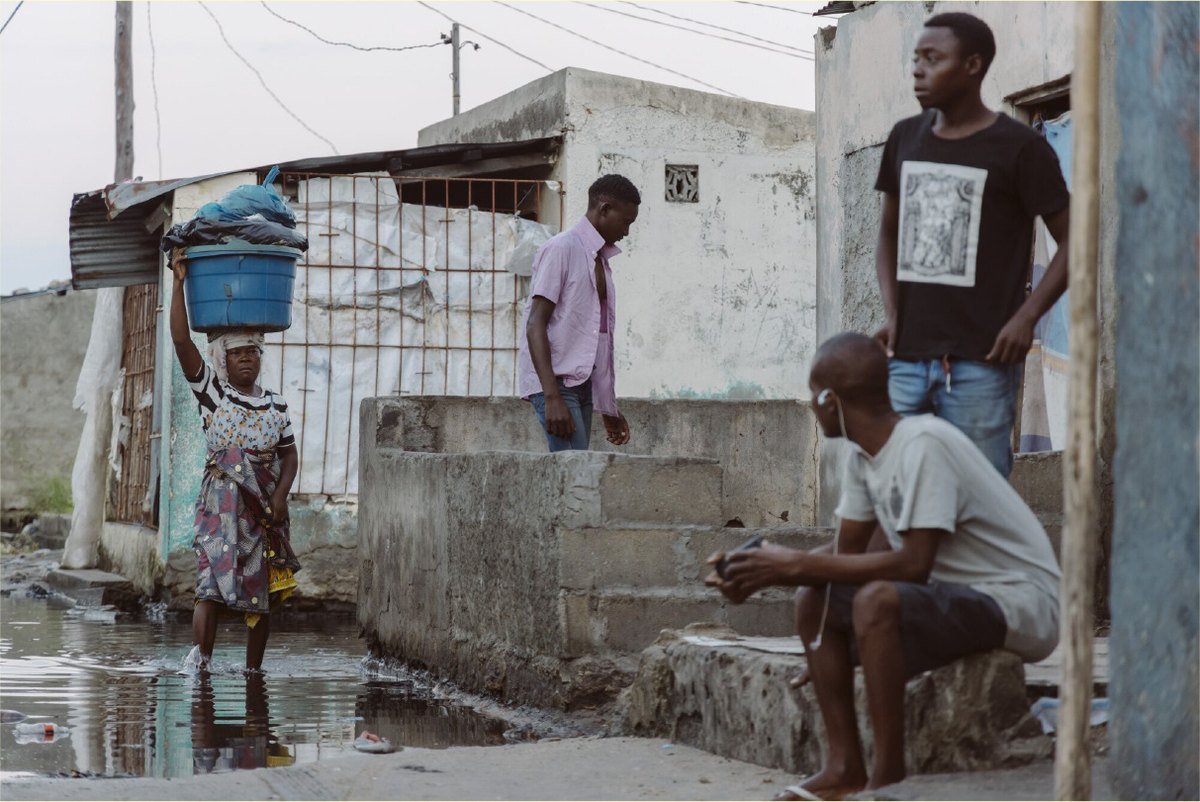
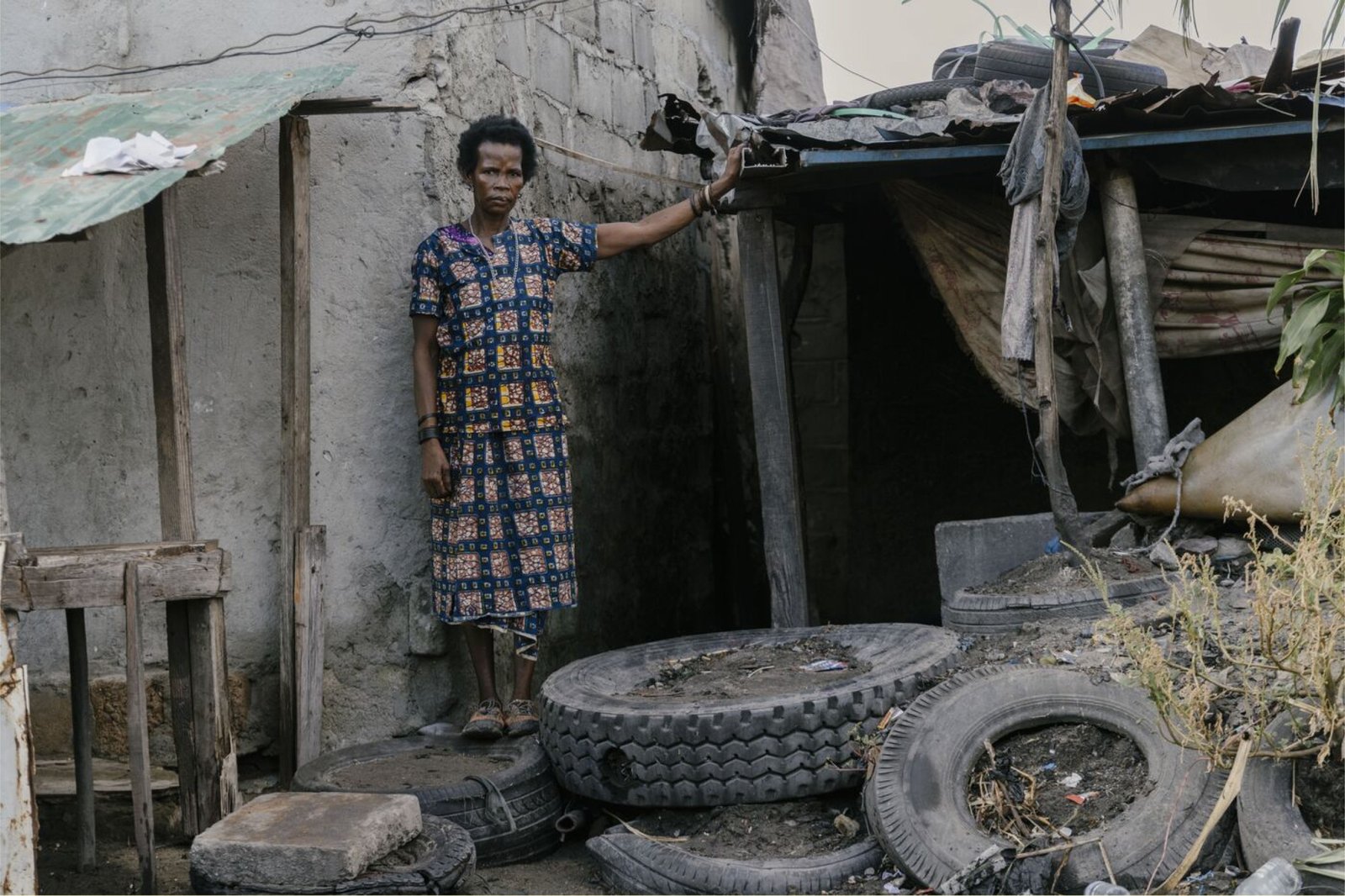
Cecilia Miguel, a 56-year-old mother of three, still lives in the house Idai damaged, earning less than 10 dollars a month from renting out a small room. She has weighed down her roof with sand-filled tyres and rocks, and built a wall of old tyres around the house. The warnings reach her, she says, but with nowhere else to go, she can only wait and hope the next cyclone spares her home.
- Published
- Bloomberg Green, 28 May 2024. The first story in the series Climate-Proofing Cities
- Story
- Mozambique Pioneers Cyclone Warning Network to Protect Millions
- Reporting
- Laura Millan, Matthew Hill and Borges Nhamirre
- Photography and video
- Douglas Condzo
- Editor
- Amanda Kolson Hurley
- Photo editor
- Marie Monteleone
15 photographs · Documentary & Photojournalism · Bloomberg Green · 2024