The Body as a Living Archive
Embodied Heritage in African Wrestling
Wrestling is far more than a contest of raw strength. Across generations, it has occupied a vital space in the cultural fabric of African societies, weaving together physical discipline, sacred ritual, collective identity and the living transmission of tradition. In Senegal and beyond, traditional wrestling has long been tied to harvest celebrations, communal gatherings and the ongoing evolution of cultural expression.
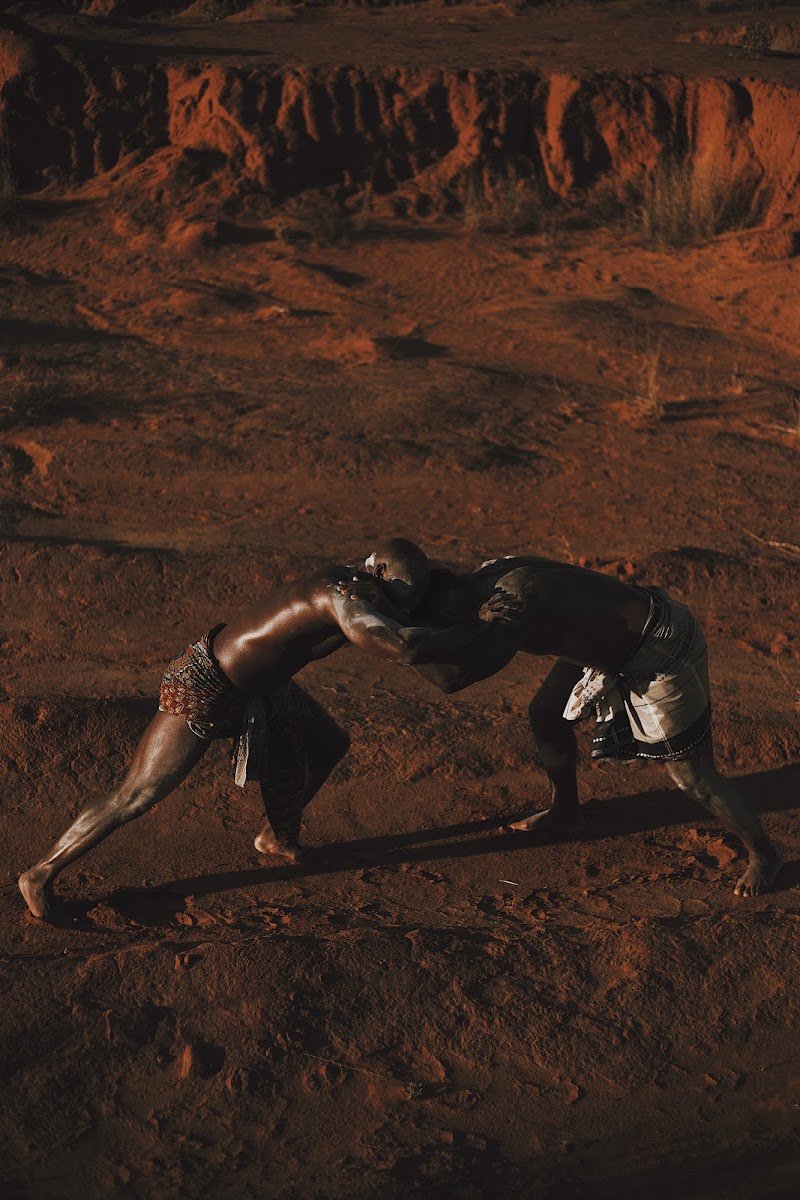
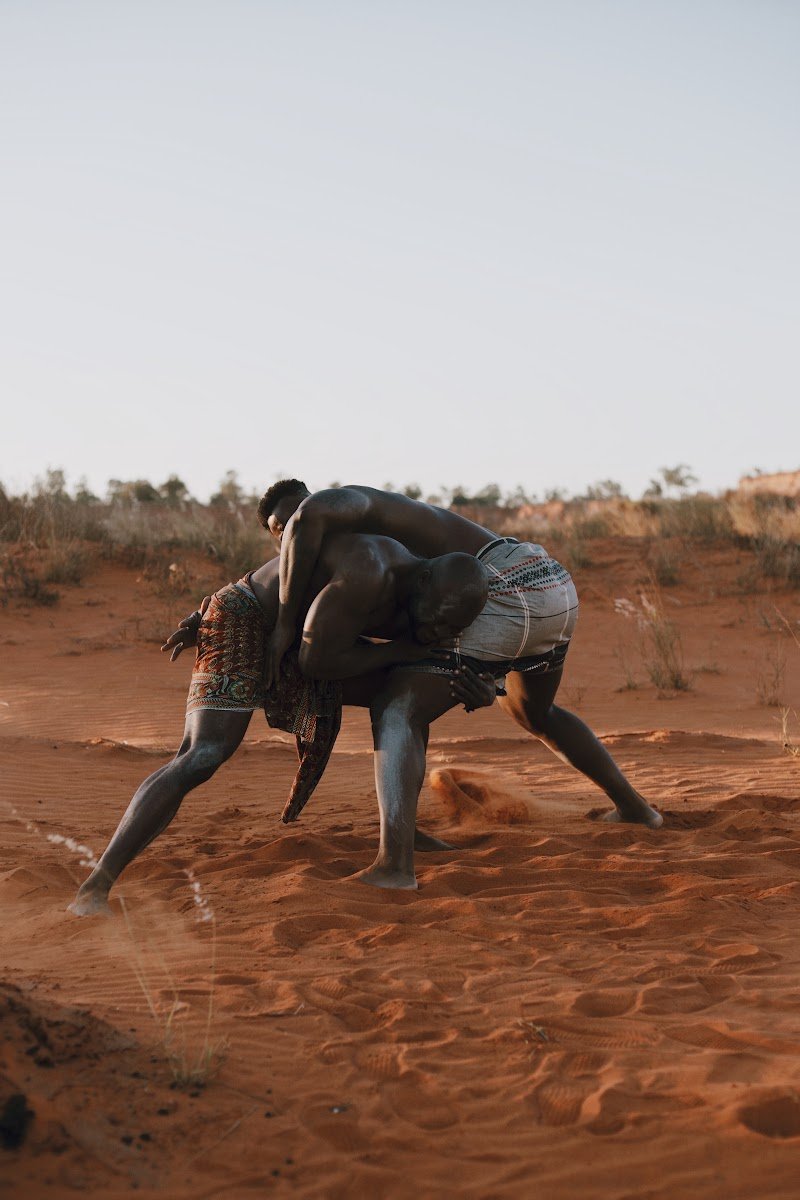
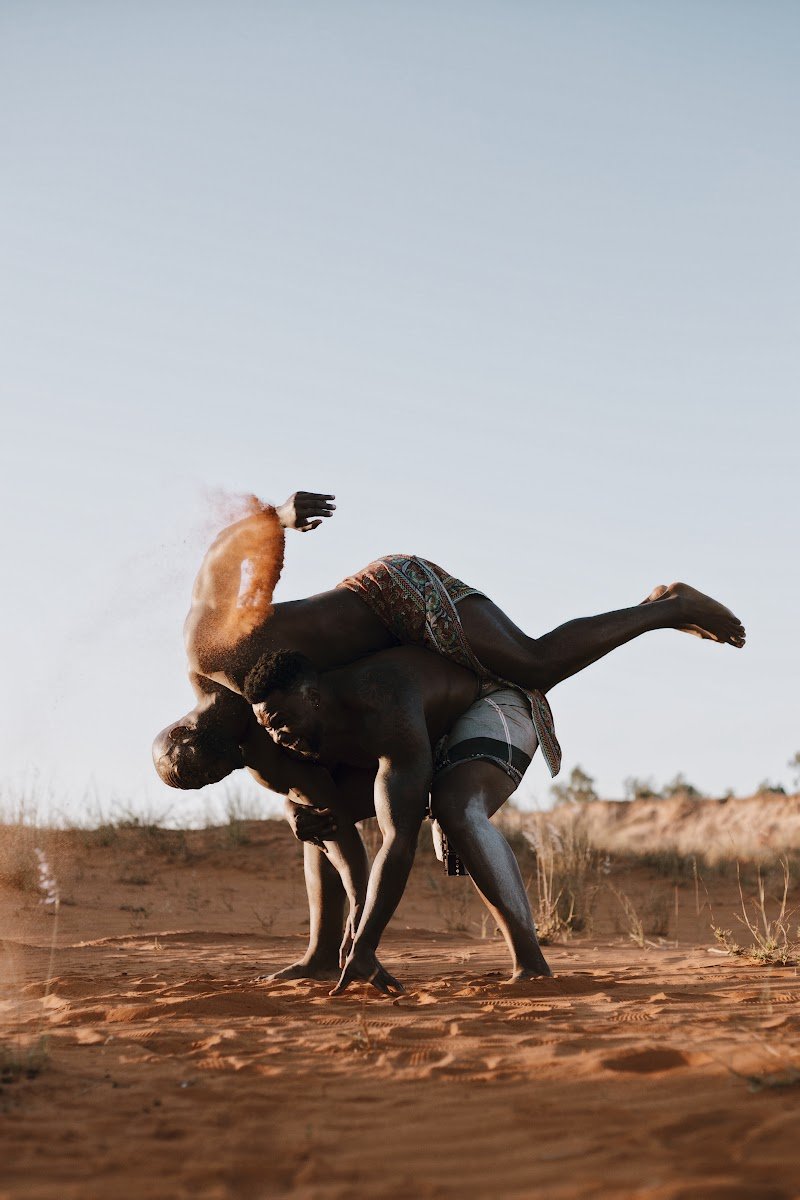
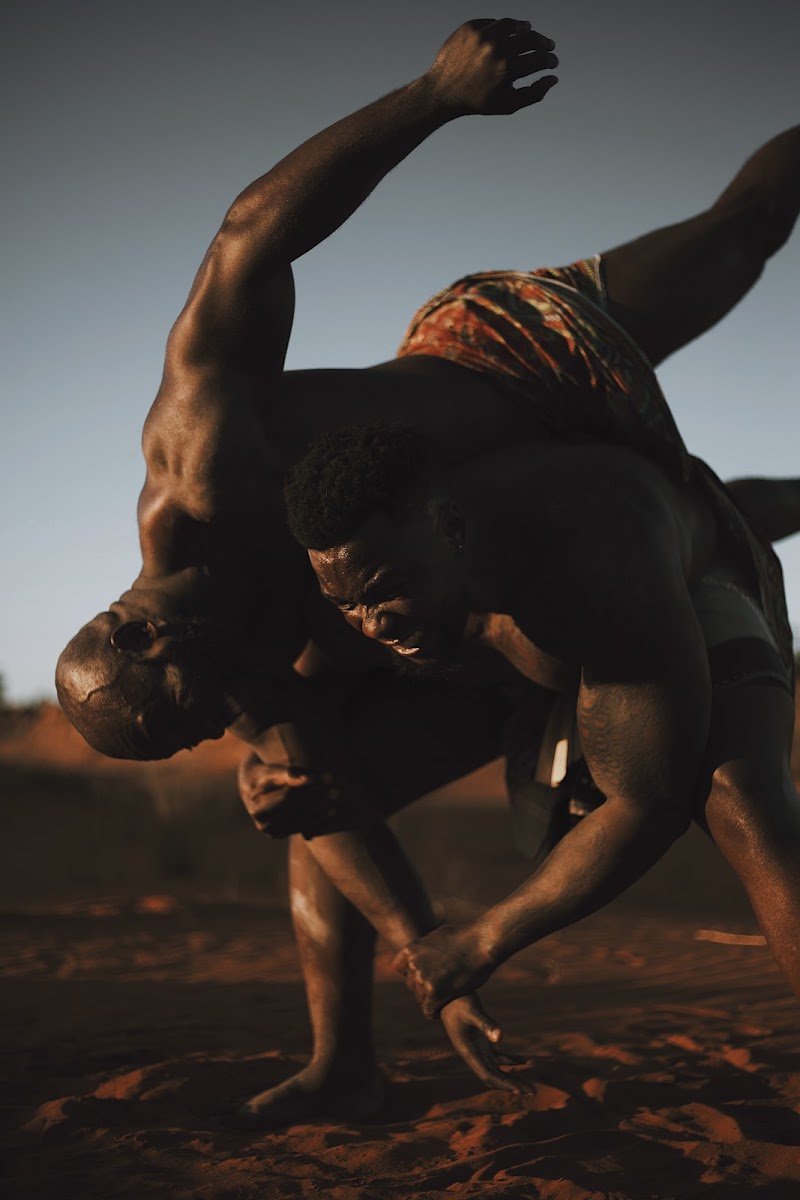
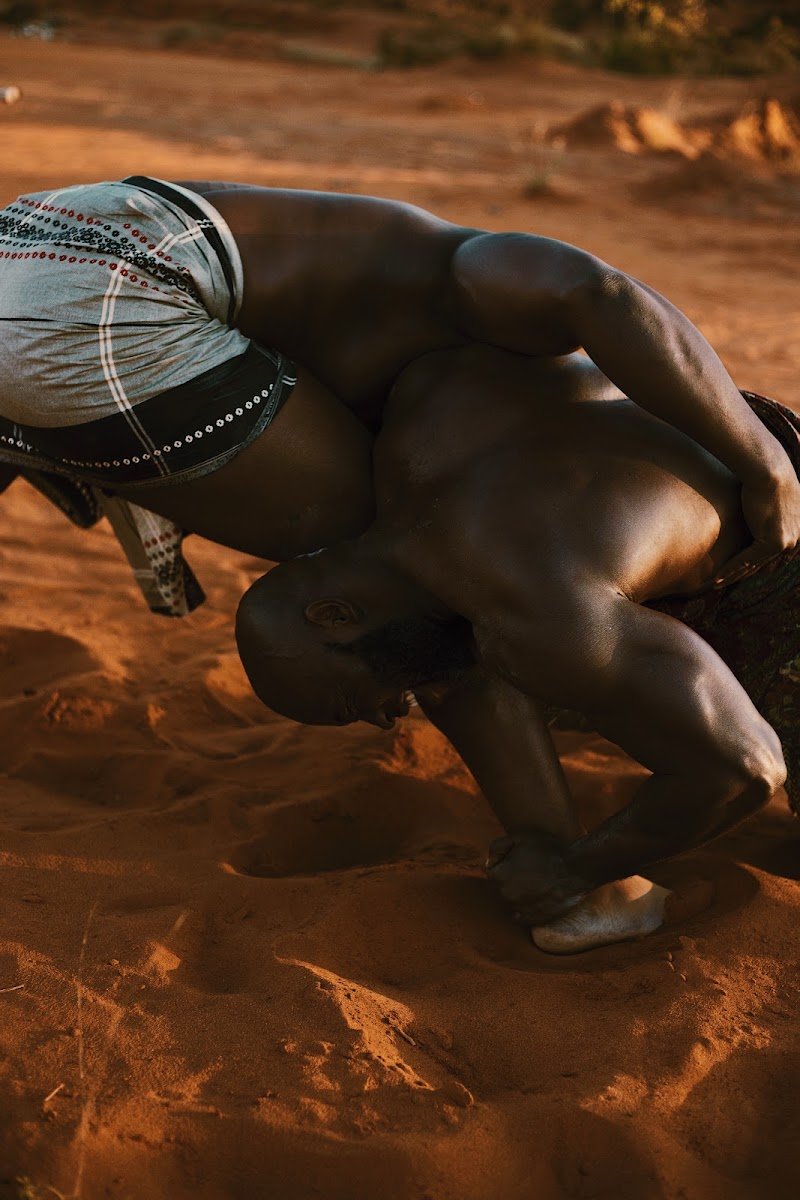
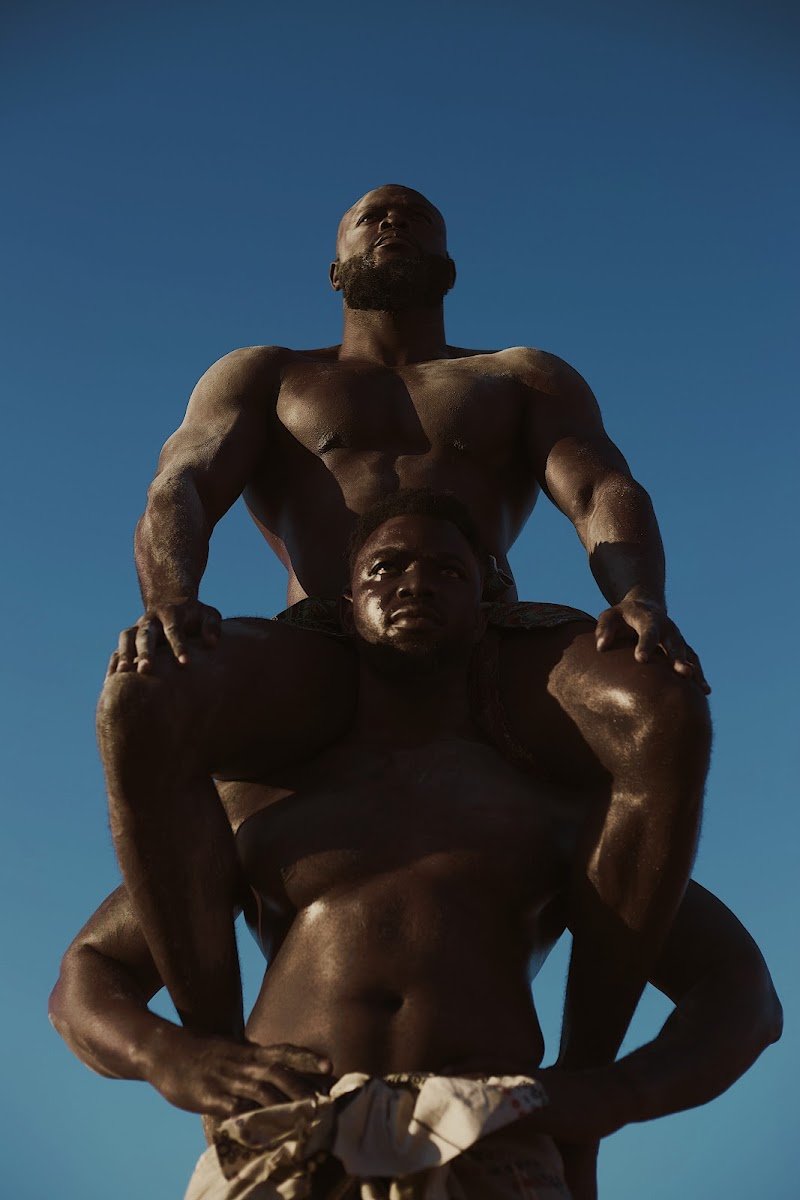
This photographic series draws on the deep cultural resonance of traditional African wrestling to explore the relationship between the human form and ancestral heritage. Here, the wrestler emerges as a central figure through whom physical presence, ancestral wisdom and collective memory converge. Power is reframed, understood not merely as muscle or force, but as discipline, endurance and the unbroken continuity of cultural practice across time.
Rooted in a deep reverence for African traditions, this body of work reflects on how identity is embodied, performed and preserved. It approaches the human body as a living archive: a place where history is held not only in written words or static objects, but in movement, gesture and presence. Rather than treating tradition as an artifact confined to the past, the series honors it as a living inheritance, continually carried, reinterpreted and reimagined by those who embody it today.
Three traditions
The concept is grounded in three distinct wrestling traditions. Together, they offer a framework of cultural continuity, collective identity and embodied heritage, without flattening the origins and meanings of each.
Nuba Wrestling, Sudan
In the communities of the Nuba Mountains, wrestling is historically bound to seasonal ceremonies, harvest cycles and village identity. Wrestlers stand as representatives of their people, and the practice remains a vital anchor of cultural cohesion and pride, even among displaced Nuba communities.
Laamb, Senegal
Rooted in Serer traditions and practiced across groups including the Wolof, Laamb historically accompanied post-harvest celebrations and communal gatherings. Today it is Senegal’s leading national sport, while keeping its spiritual, ritual and cultural resonance.
Mgba, Southeastern Nigeria
In Igbo communities, Mgba is an expression of agility, honor and communal prestige. Staged during seasonal festivals and rites of passage, these contests connect athletic skill with community ideals, social harmony and traditional codes of manhood.